
More than twenty-five years had passed since this roll of film last saw the light — until I found it in the mothball-scented drawer of my grandfather’s desk.
I came to Cherepovets for my Granny’s funeral. A year earlier, my father had died. I didn’t go then: I was so afraid that I fell ill. I convinced myself they wouldn’t let me board the plane because COVID had not yet been fully normalised. The cold passed, but the wound carved by the fear did not. When I received a message from my mother saying that her mother had died, I bought a ticket. On that trip, I found peace with myself after my father’s death.
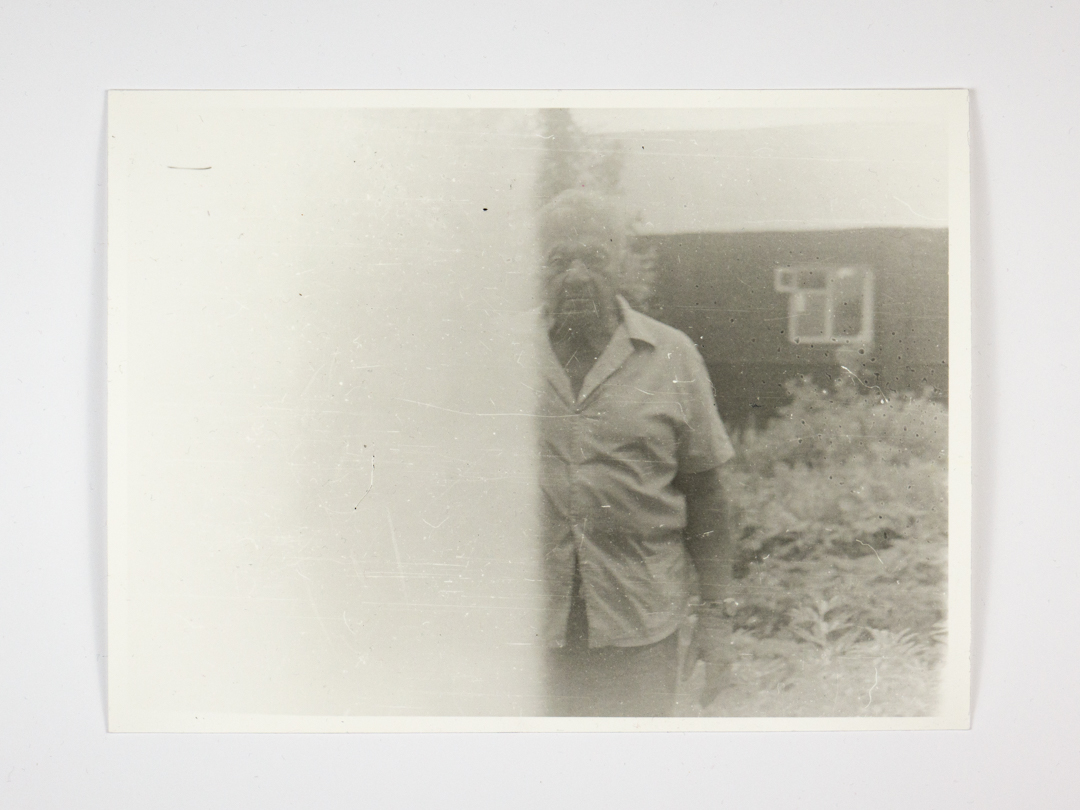
More than a half of my Grandfather
I stepped into the empty apartment. As a child, I often stayed with Granny. When I came down with pneumonia, I lived here for two months. Now there was only emptiness filled with memory. The ticking clock, the creaking dresser, the lower cabinet door that could neither be opened nor closed because of the pressure of Dreiser’s collected works on the shelf above — everything radiated time.
Frame 16
Frame 17
I came here with a purpose. I wanted to feel this frozen space, abandoned by time; to find objects that held particular value for me, objects filled with secret meaning, objects that had absorbed my time and were therefore full of my life.
The room was long and narrow: on the left, a bed with a radiola at its head; then an armchair where Granny would sit and talk to me, repeating story after story in her struggle against loneliness, as if trying to keep me there a little longer. In the end, I would leave. Behind the bed stood a mirror brought from Nazi Germany as a trophy, now superstitiously covered with a white bed sheet. Along the right wall stood a long wardrobe, and behind it a desk. The two walls converged at a window, which closed off the room and opened onto Metallurgov-Street.
I walked to the end of the room and sat down at the desk. Above it hung a portrait of Vysotsky with a guitar. As I rummaged through the drawers, I felt an incredible, almost childlike joy — as if I had found a treasure. I hurried to the photo studio „Contrast“ on Lenin Street and left the film to be developed.
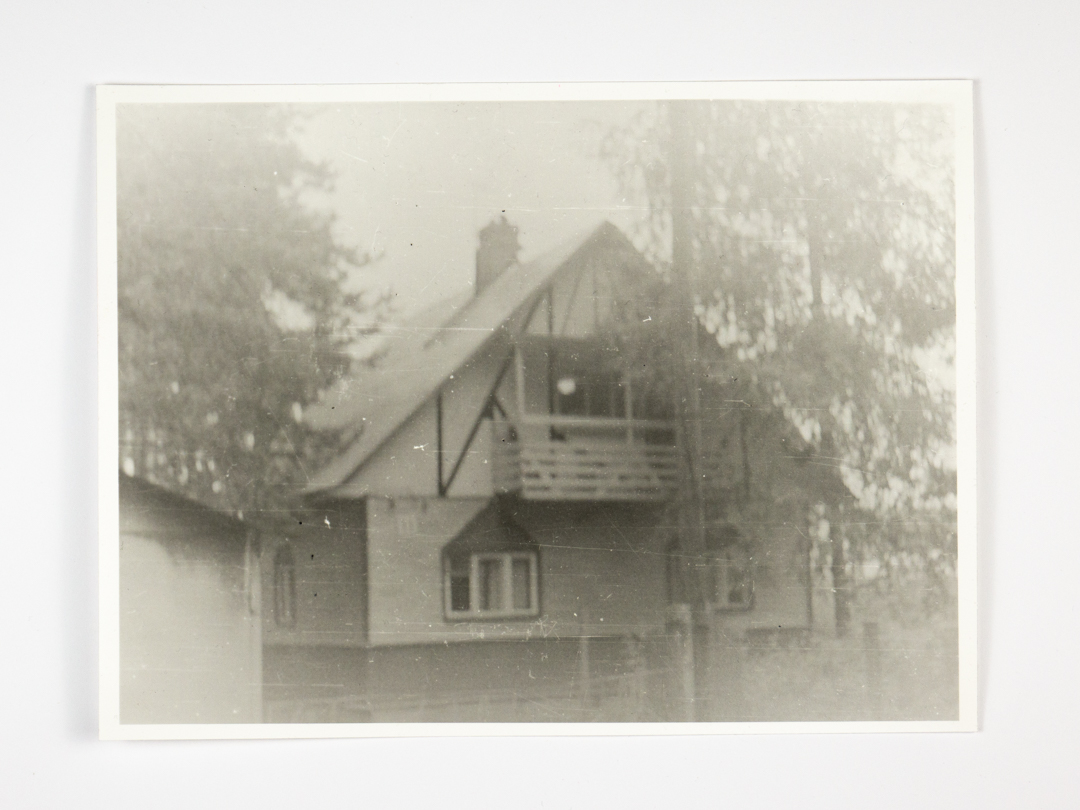
Our house, frame 7
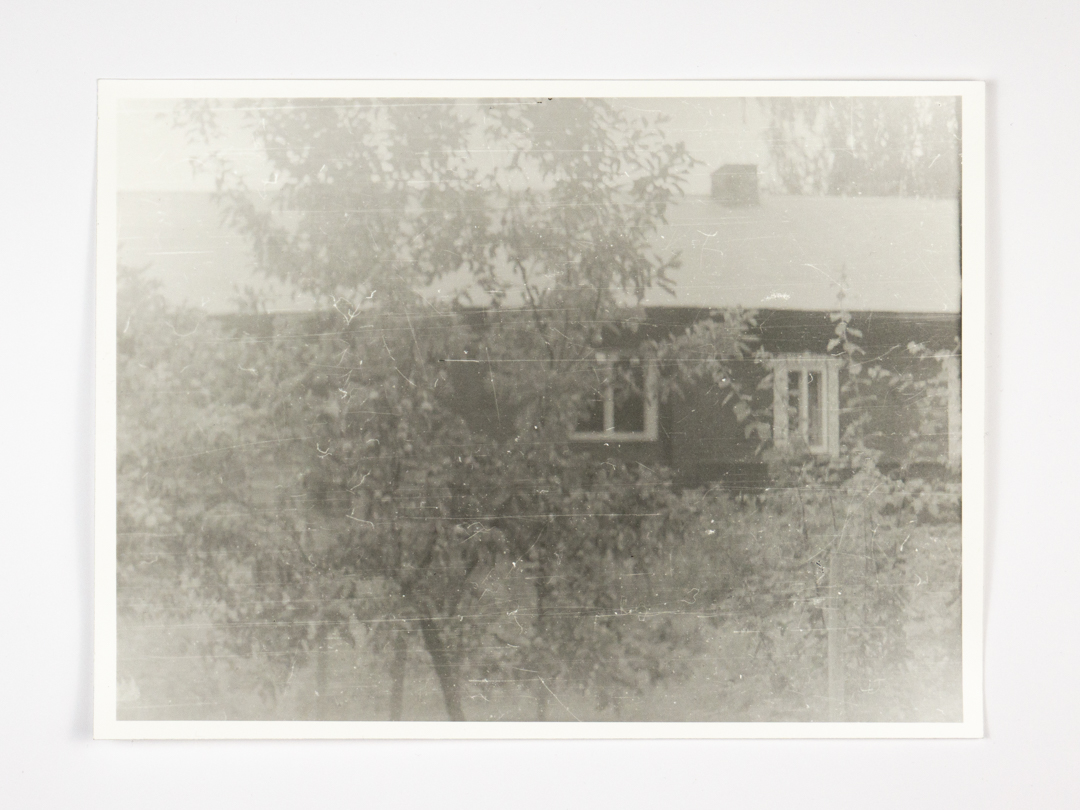
Our neighbours’ house behind the apple tree, frame 6
***
Furhad gave me a Zenit camera, a developing tank, and photographic chemicals. With that gift, he set in motion the search for my past.My grandmother had a colleague from the construction trust who practiced photography professionally. I don’t remember how it happened, but somehow my father got everything necessary for black-and-white photography from her and taught me how to develop and print. Or perhaps we learned together — I don’t remember exactly. There were books and trips to the shop „Goluboy Ekran” („Blue Screen“ in Russian) for photographic paper and chemicals.
At some point, I abandoned all of it. I forgot. We forget out of idleness, out of the seeming insignificance of an event, or out of pain. Sometimes we forget because we are forced to. And the longer I live, the less time remains for me, and the more time belongs to the past. What is forgotten grows.
The Zenit camera became an invitation from oblivion into the present. I imagine it as a kind of pump with which I can draw time from the past into the present, constantly replenishing the supply of life I have left. As if it were immortality.
There are only a few successful frames on the film, and I can only partially reconstruct the circumstances in which they were taken.
Aunt Fira – my grandfather’s sister – came from Moscow to our dacha. Apparently, we spent some time in the village and then went back together to Moscow to visit the grave of their parents – my great-grandparents, about whom I know almost nothing. Their surname was Zarzhevskiy. A Jewish surname was of little help in the USSR, so my grandfather changed it to Zarzhavskiy — with an „a” — and changed his nationality in his Soviet passport to Ukrainian. In the photograph the original surname, Zarzhevskiy, is engraved on the gravestones of my great-grandparents.
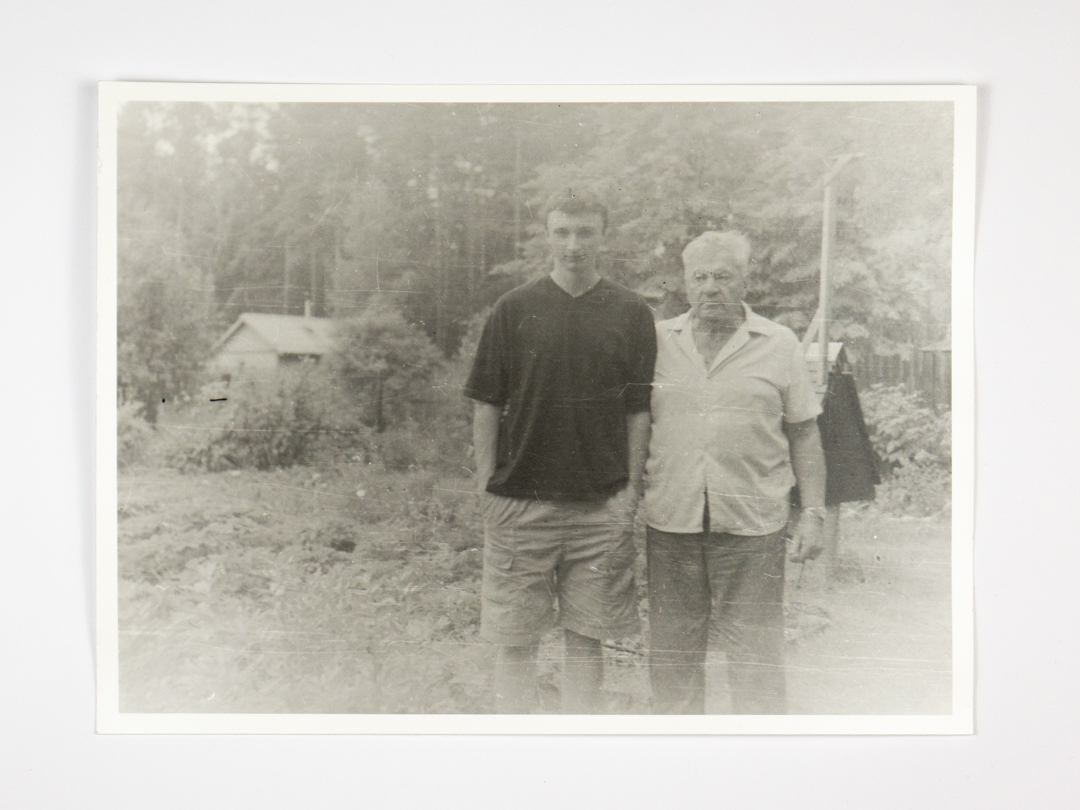
Me and my Grandfather at our Dacha, frame 2
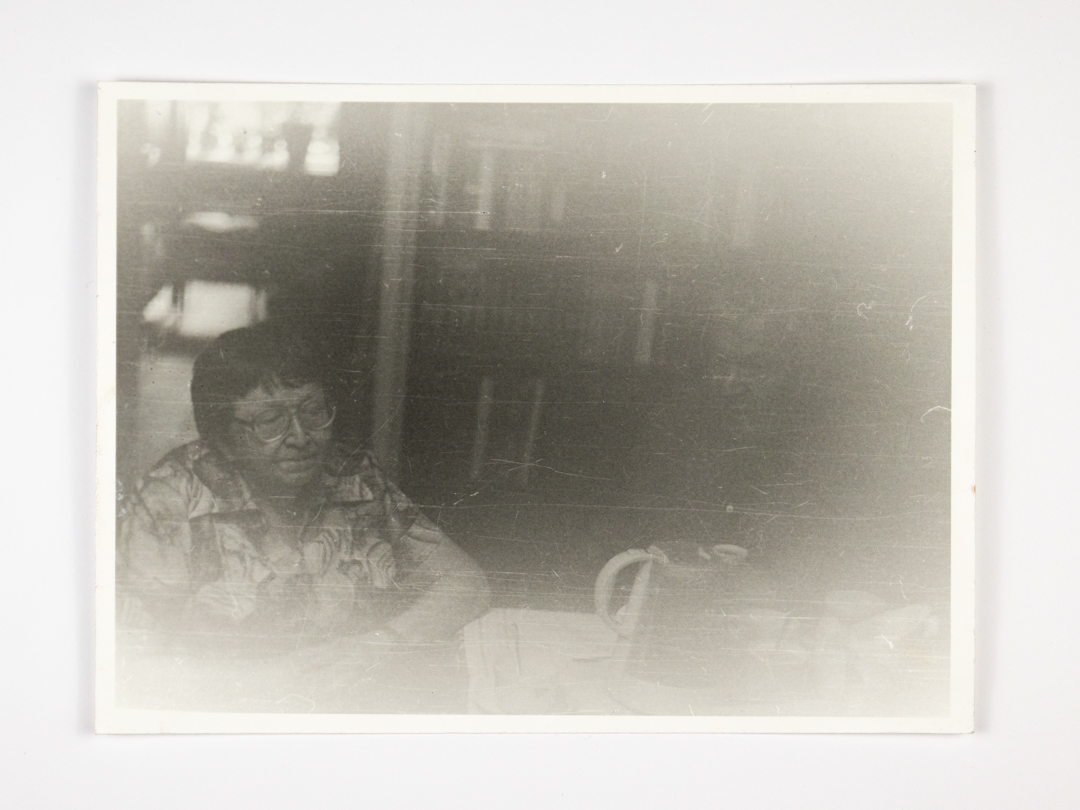
Aunt Fira and my Grandfather in Moscow, frame 9
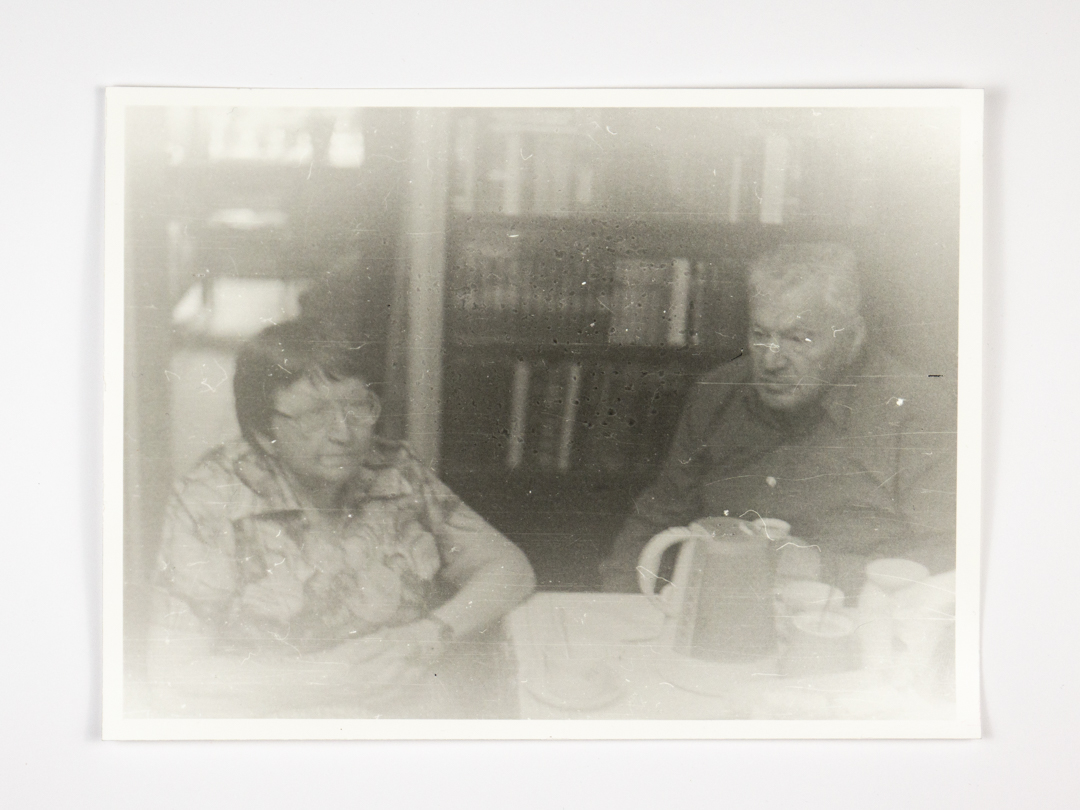
Aunt Fira and my Grandfather in Moscow, frame 10
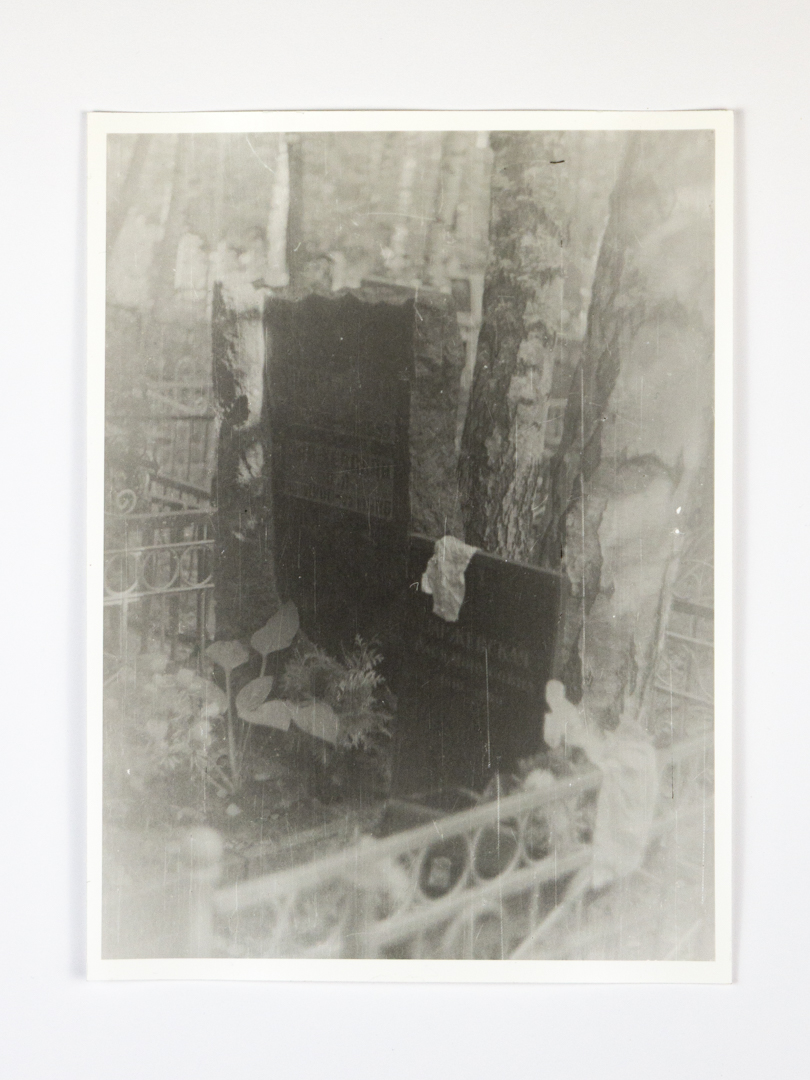
The grave of my great-grandparents, frame 14
My father’s family name is Vasilyev; I know little about it as well. As is customary in Russia, a child is given only the father’s surname. My mother did not change hers after marriage — she remained Zarzhavskaya. The simple surname Vasilyev causes difficulties for non-Russian speakers in Germany, both in spelling and pronunciation. For a long time, I was embarrassed and tried writing „Wassiljew” to correct the sound somewhat, otherwise it was always „Fazilief”. Now I have stopped being ashamed and stopped adjusting. I even complicated matters by adding Zarzhevskiy as a second surname – with an „e” – Vasilyev-Zarzhevskiy.
I am a descendant of people who survived Stalin’s purges. Now I speak more often about my Jewish roots. Now I live in Germany. More than that, I am its citizen. My Granny used to repeat, „Oh come on, they’re completely different people there now”. My illusions collapsed when I realised that here they are not completely „completely different people”, and that the German narrative still contains antisemitic mechanisms, instrumentalising Jewishness to maintain power – as before, only now with the opposite sign. During the Nazi dictatorship, Jews were not considered as individuals by the Nazis; instead only the projection of Jews through the Nazi lens was considered. Today’s German projection is simple: a „good Jew” is above all a Zionist, a figure who confirms the fairy tale about the „good German“, the fairy tale of how Germany successfully overcame fascism, cleansed itself of fascism, and built a liberal democracy. And if you are not that kind of Jew in Germany, you are a bad Jew. And I am a bad Jew.
I am a witness to how Germany supports genocide, occupation, and apartheid in Palestine, instrumentalising Jewishness to preserve its power and imperial ambitions. And I am even glad that my Granny is no longer alive to witness all this.
This photographic project is an act of personal resistance, an act of refusing enforced oblivion and a notion of progress that destroys time. It is an act of reconnecting with roots and an attempt to reclaim a past stolen by the imperial rule.
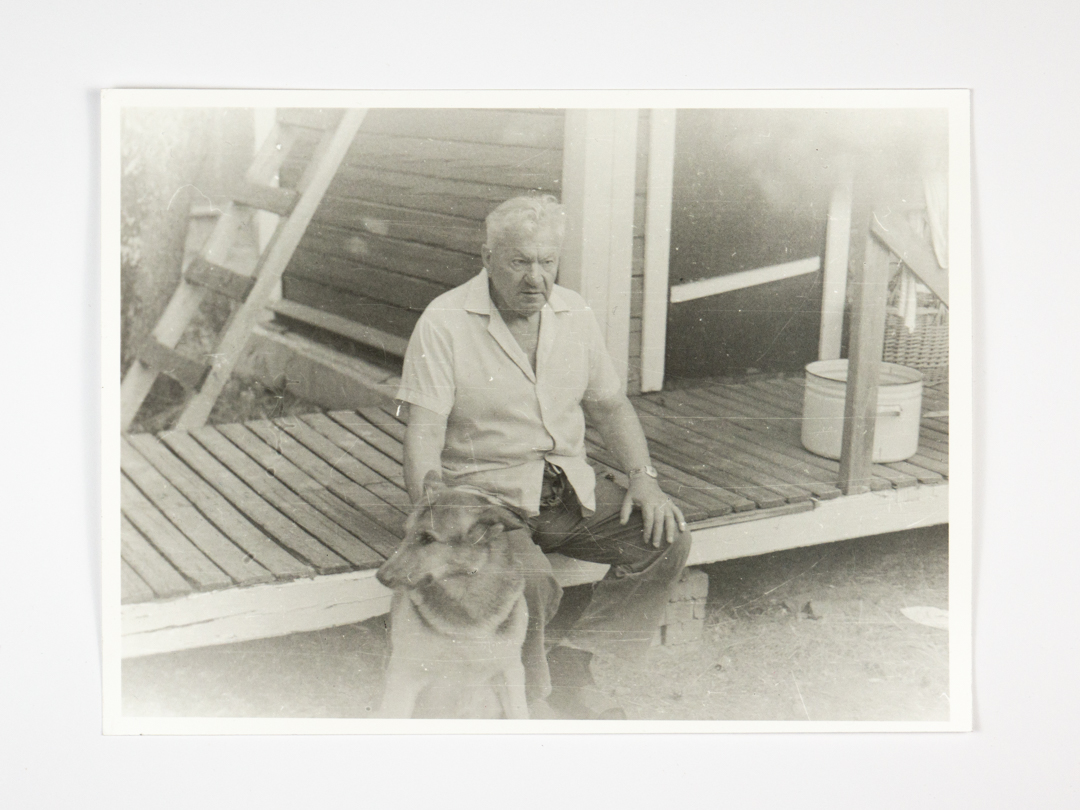
My Grandfather and Tom, frame 3
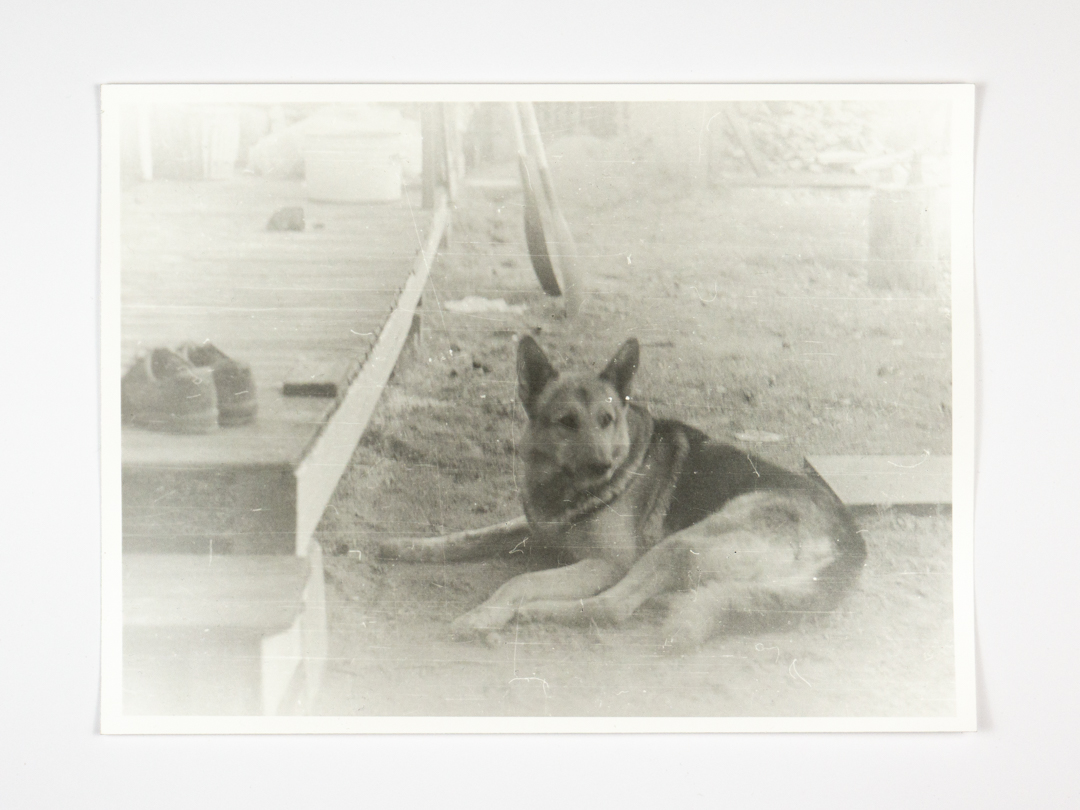
Tom, frame 4
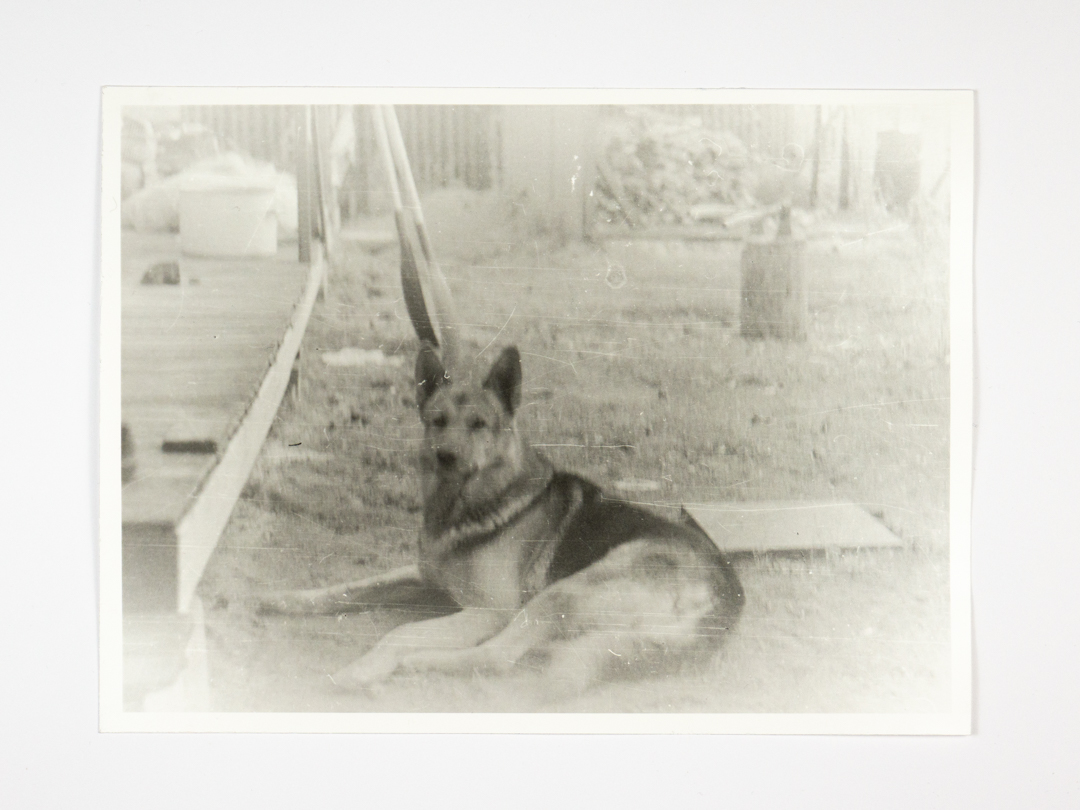
Tom, frame 5
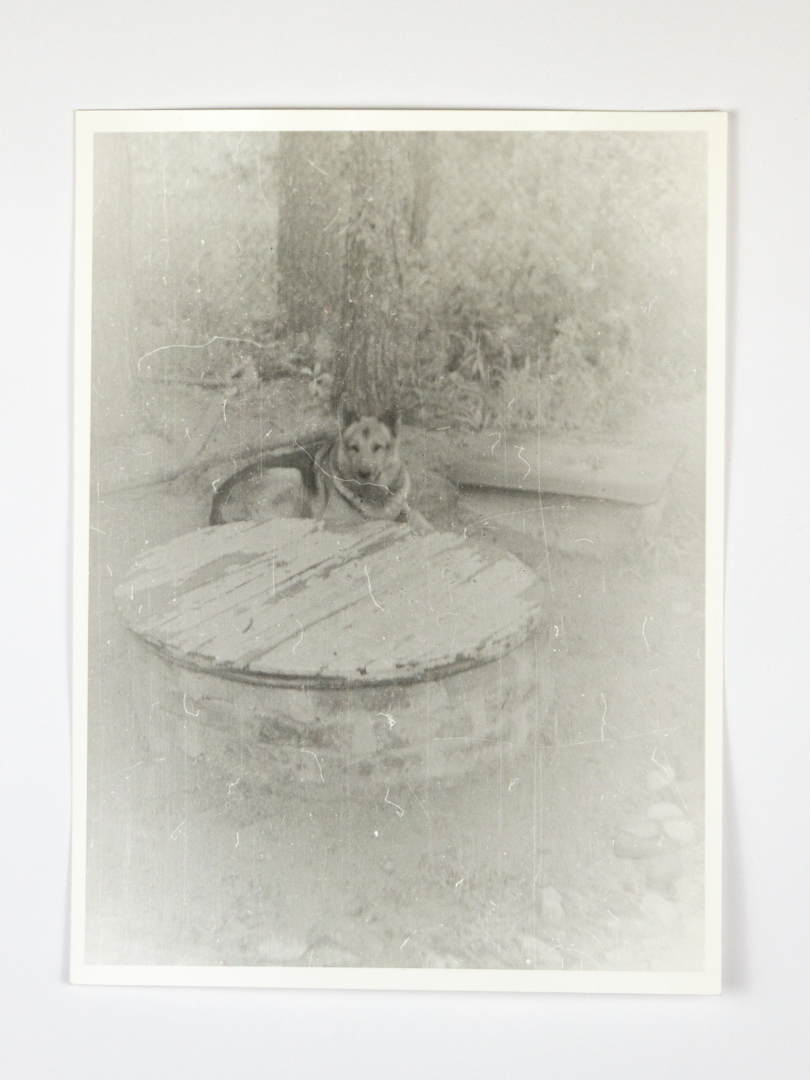
Tom, frame 8
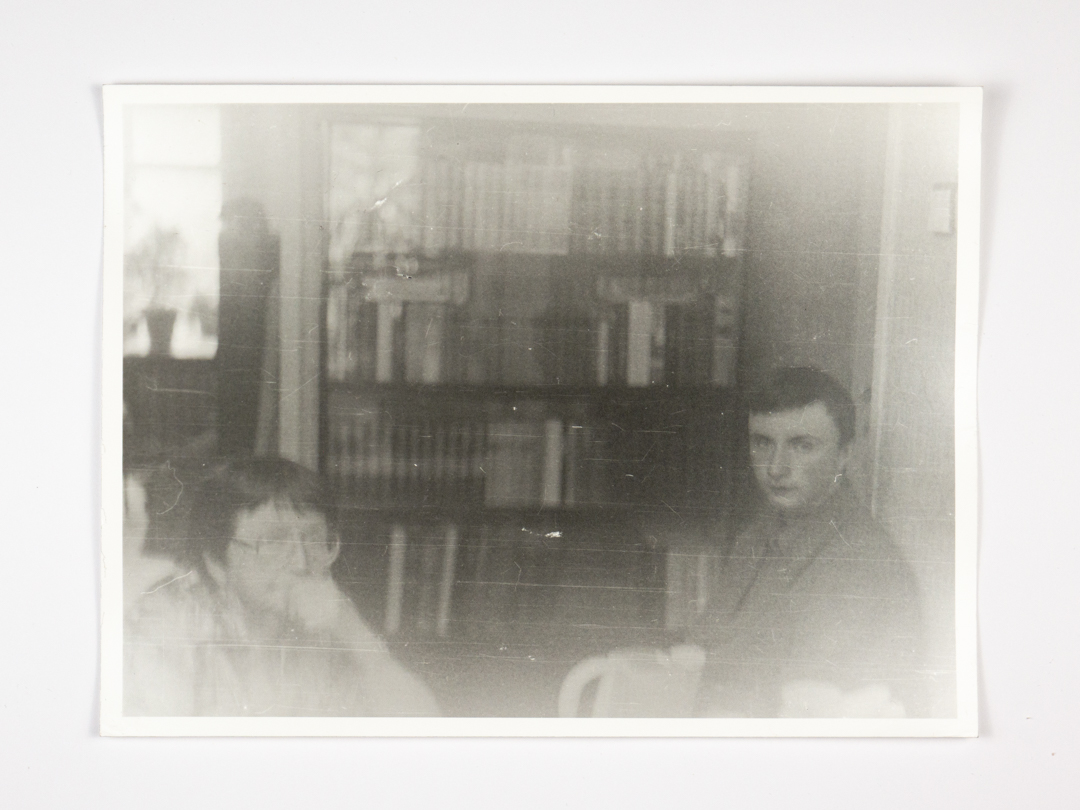
Aunt Fira and me, frame 11
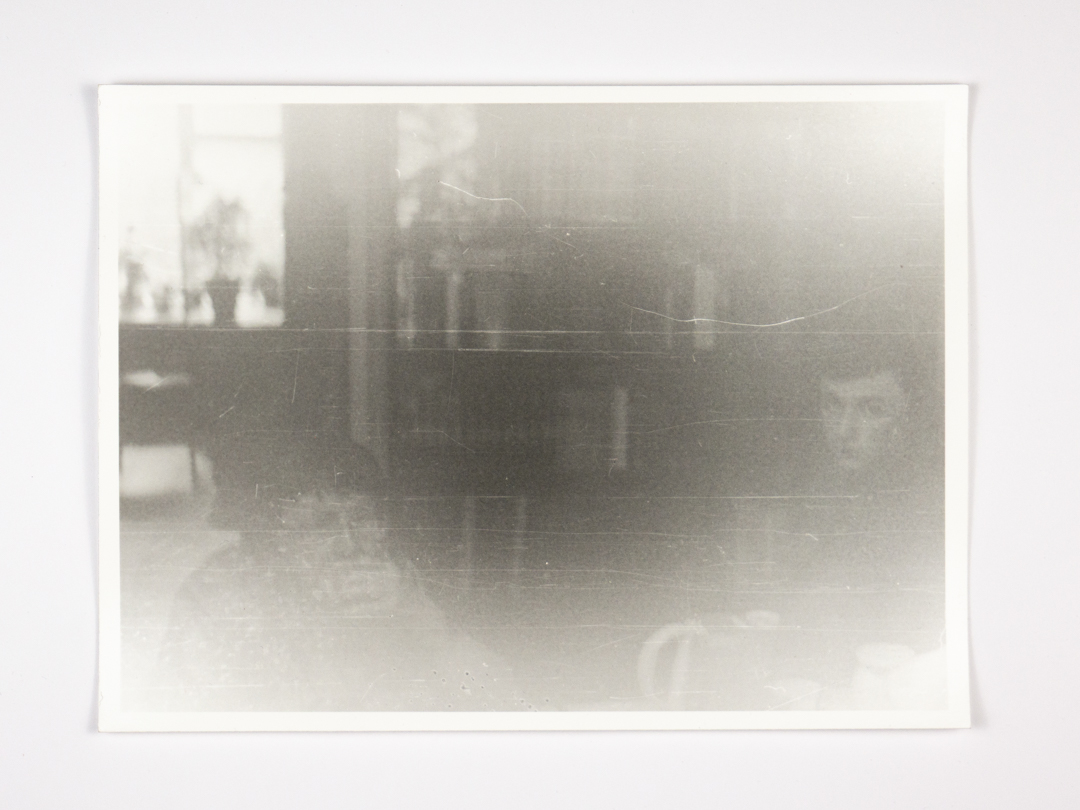
Aunt Fira and me, frame 12
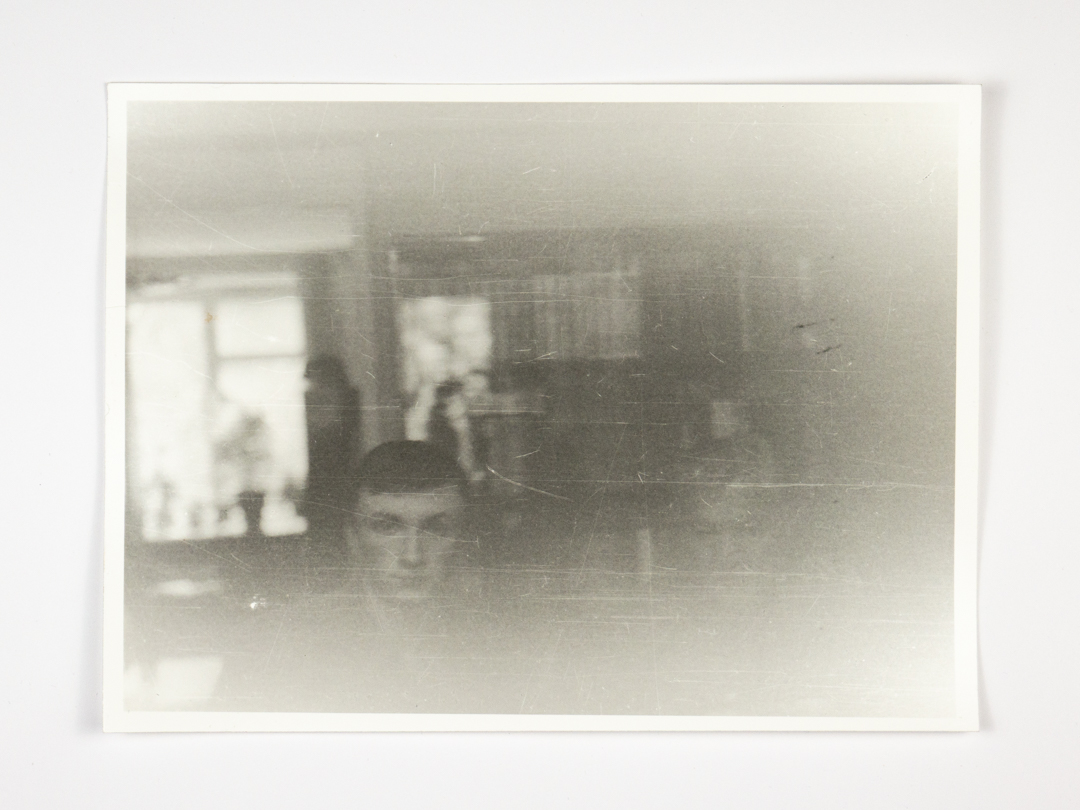
Me and my Grandfather in Moscow, frame 13
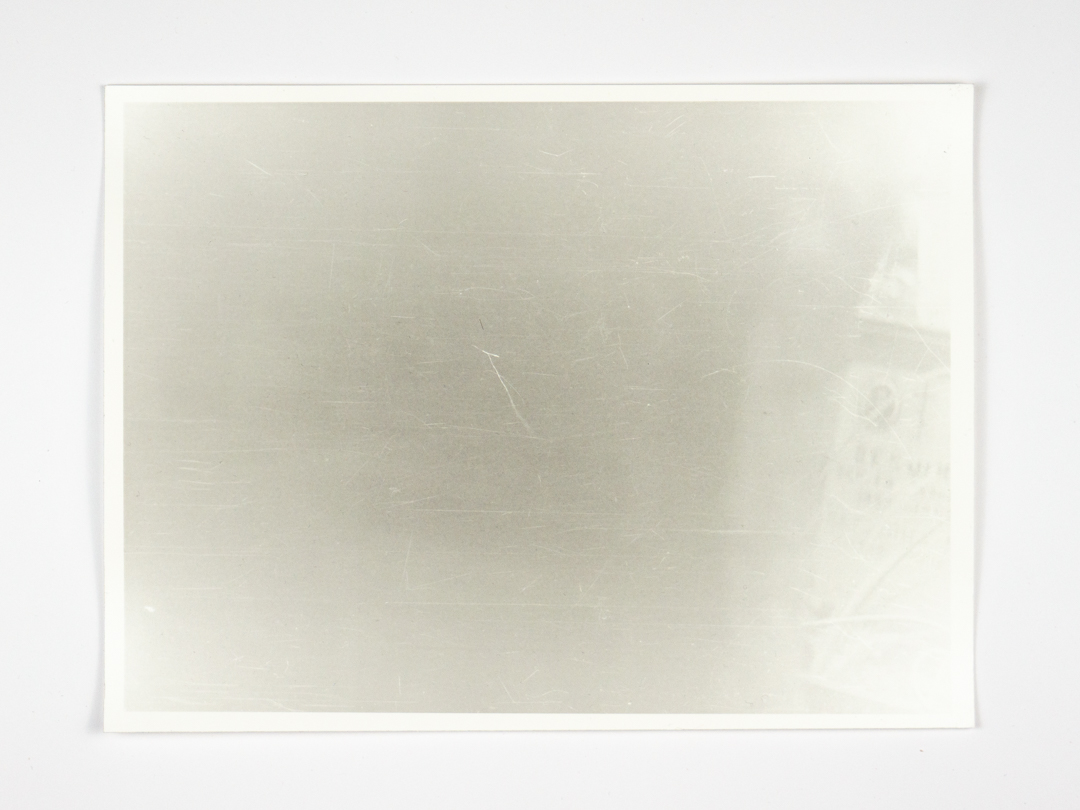
The grave of my great-grandparents, frame 18
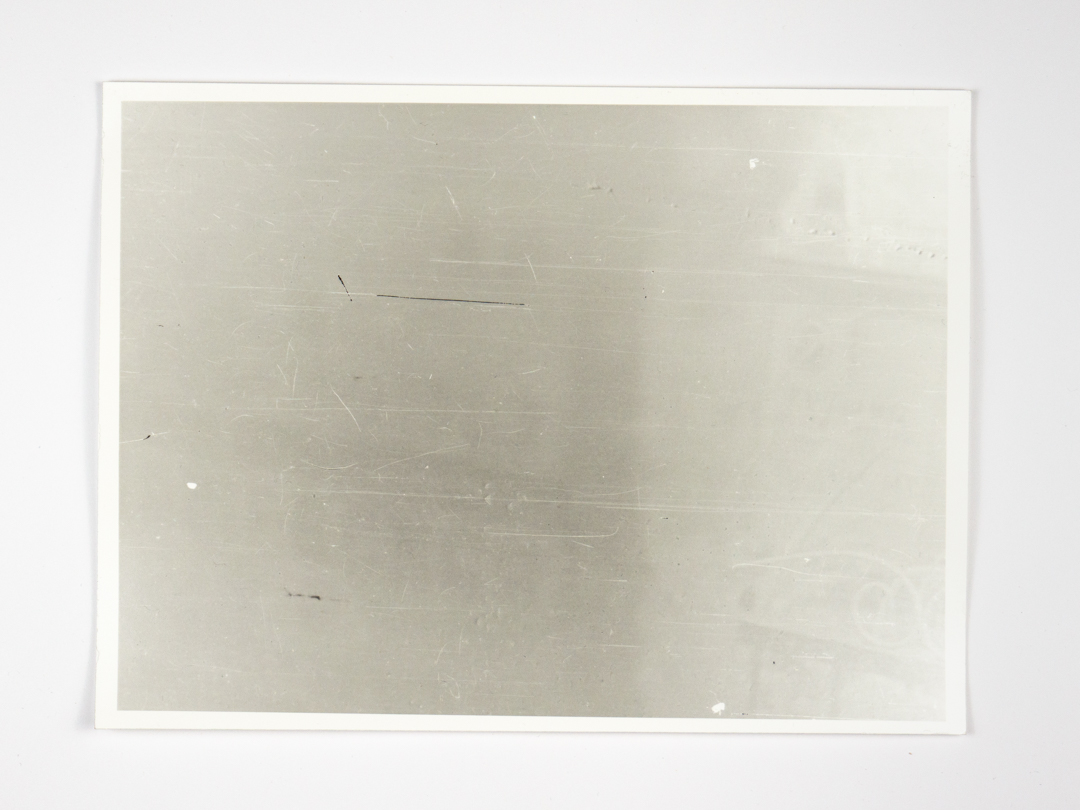
The grave of my great-grandparents, frame 19
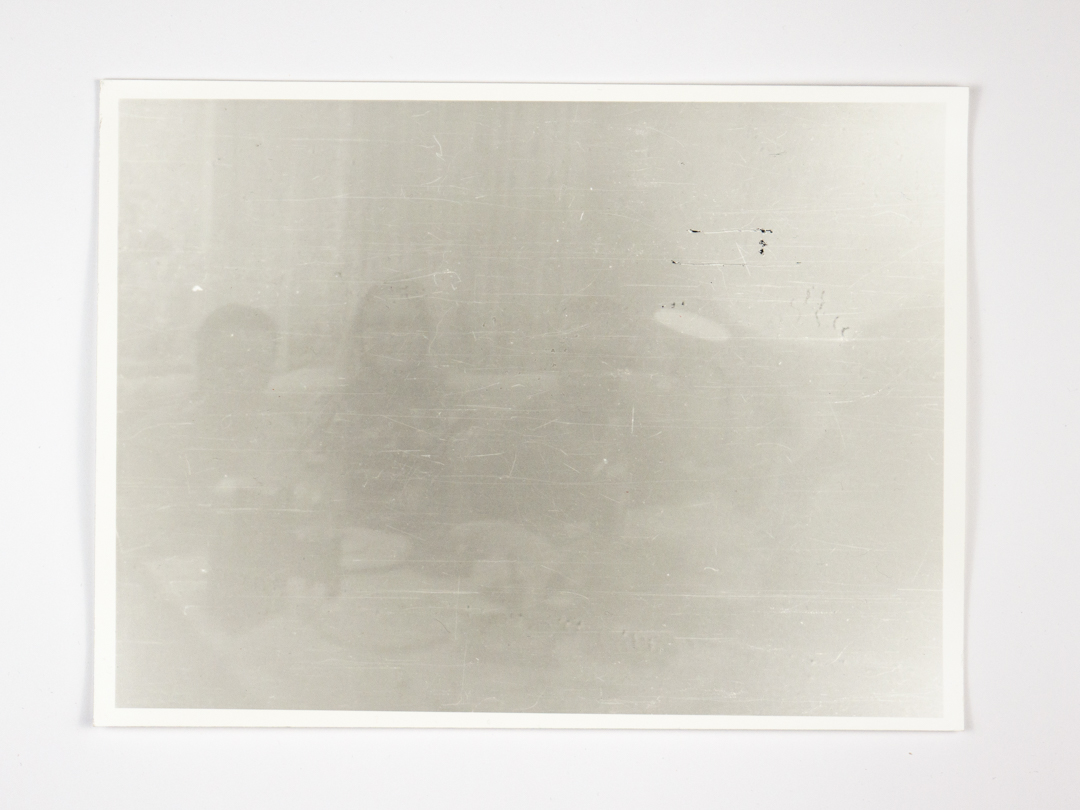
My relatives, frame 20
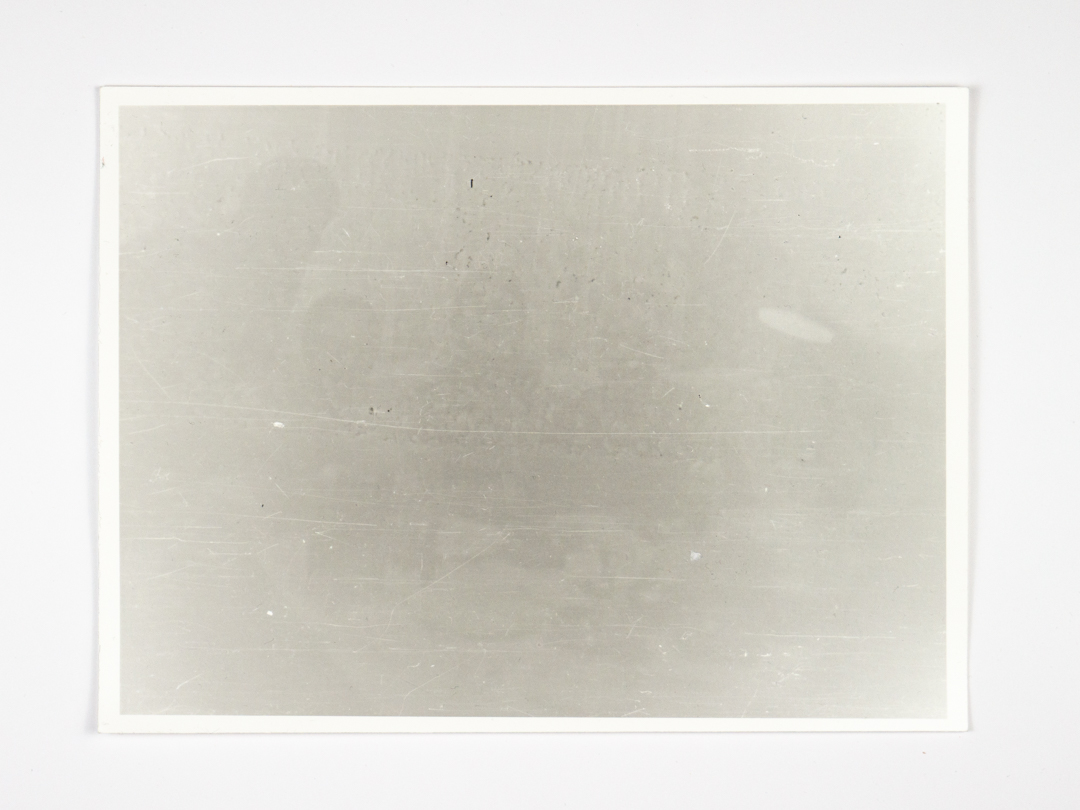
My relatives, frame 21
Aunt Fira (?), frame 22
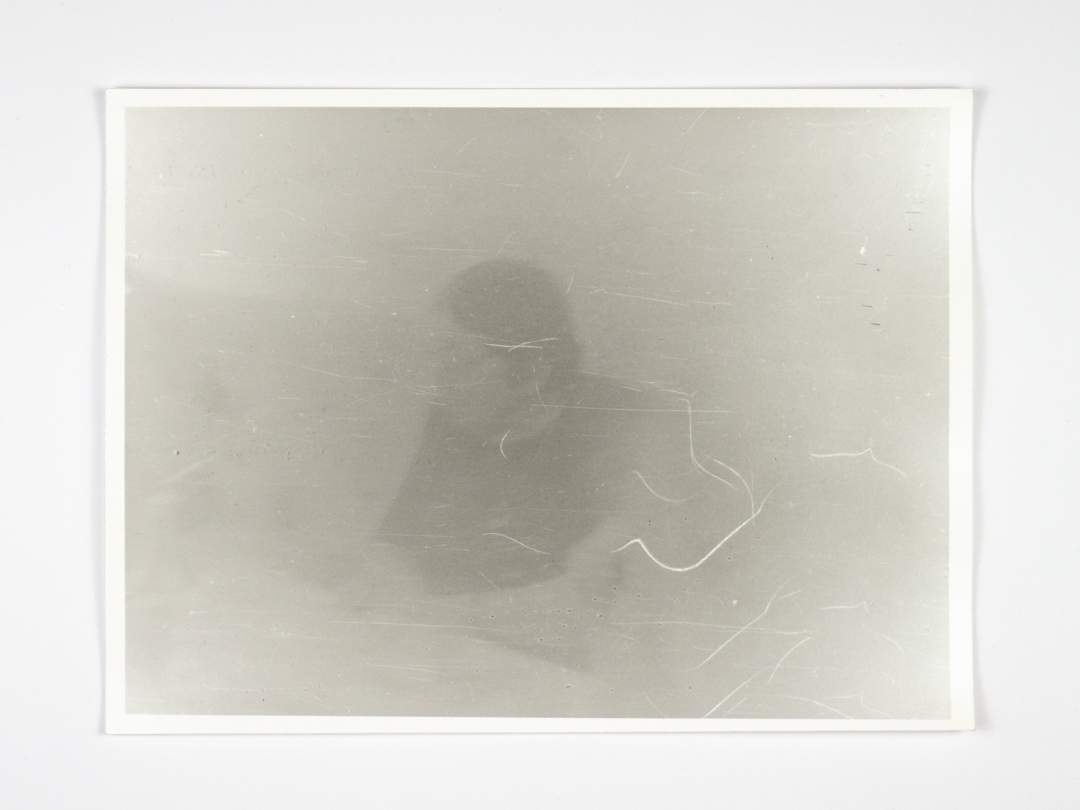
Aunt Fira, frame 23